






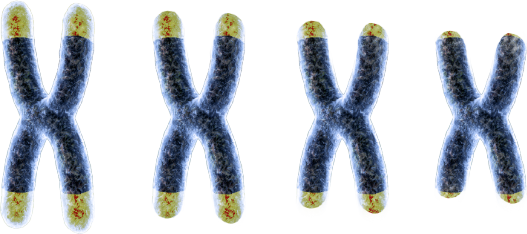
Telomeres are chromosomes involved in cell division that play the role of a cell clock and serve as buffers by blocking the ends of chromosomes with gene fragments. However, as cell division is repeated, the length of telomeres gradually becomes shorter, which is closely related to aging. Hyperbaric oxygen treatment has the effect of slowing aging by maintaining or increasing the length of telomeres. Continuous high-pressure oxygen treatment helps extending the telomeres of chromosomes, that related to slowing down anti-aging processes.
When blood vessels are damaged due to trauma, burns, etc., oxygen supply to the organs connected to those blood vessels is limited. When blood oxygen concentration increases through hyperbaric oxygen treatment, so this high concentration oxygen is supplied to damaged tissues and new blood vessels are created, helping wound recovery.
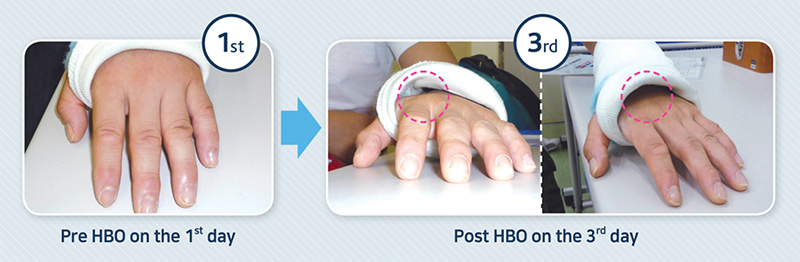
Using hyperbaric oxygen therapy after a procedure or surgery can help reduce swelling and heal wounds. You can return to your daily life more quickly.

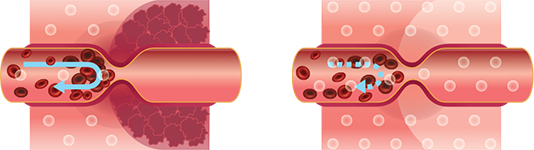
Our body combines oxygen with red blood cells in the blood to supply oxygen to the body. However, red blood cells cannot pass through small capillaries, so oxygen is often not delivered as needed. Hyperbaric oxygen treatment dissolves oxygen in plasma, the main component of blood, allowing oxygen to move separately from red blood cells. Oxygen can also be supplied to tiny capillaries and peripheral tissues that red blood cells cannot pass through.
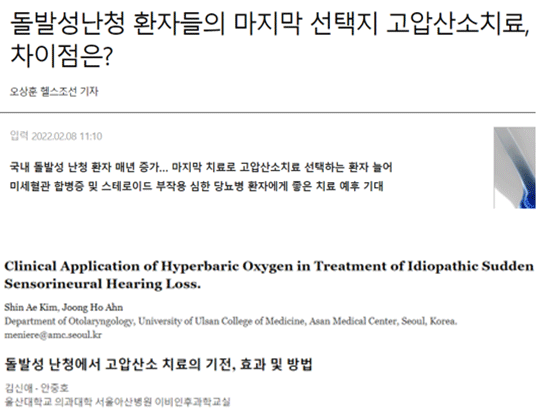
Infectious diseases that have a negative impact on the human body are often caused by anaerobic bacteria.Since anaerobic bacteria cannot survive when exposed to oxygen, high-pressure oxygen treatment induces the death of anaerobic bacteria (asymptomatic bacterial infection) and helps relieve toxin secretion and inflammation.
Intense exercise, such as sports, causes damage to soft tissues, which causes swelling and inflammation in the area. Hyperbaric oxygen therapy helps with swelling and inflammation recovery and is actually used by many athletes to recover from injuries. It increases healing speed by suppressing pain and swelling caused by microcirculation disorders and secretion of various inflammatory cytokines.
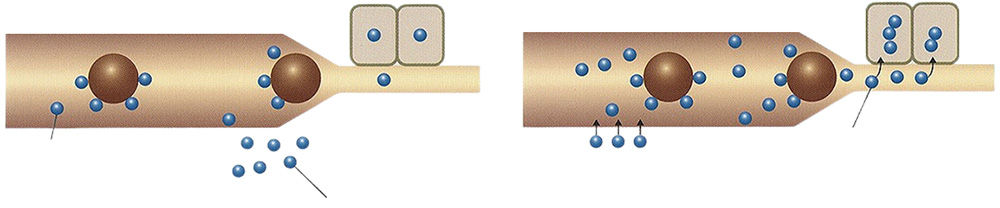
Our body's energy is produced by mitochondria in cells, which leads to smooth activation of mitochondrial function.
Hyperbaric oxygen therapy helps activate the function of brain cells by smoothly supplying oxygen to oxygen-depleted brain tissue. Activation of brain cell function after cerebral infarction, cerebral palsy due to brain trauma in children, Alzheimer's dementia, Parkinson's disease, depression, etc.
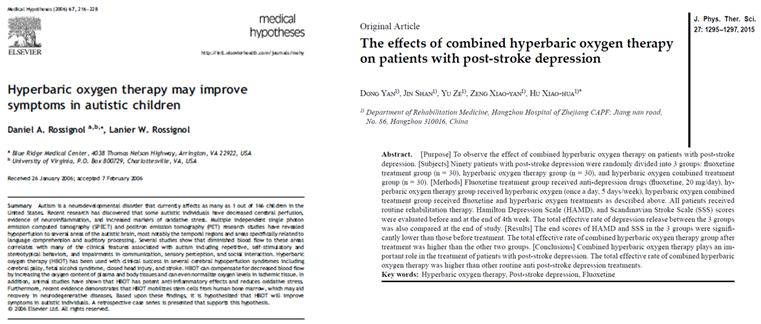
Various studies on activating brain function using hyperbaric oxygen therapy are still ongoing.